
11+ transitions: what a prep school head told parents (and what I would add)
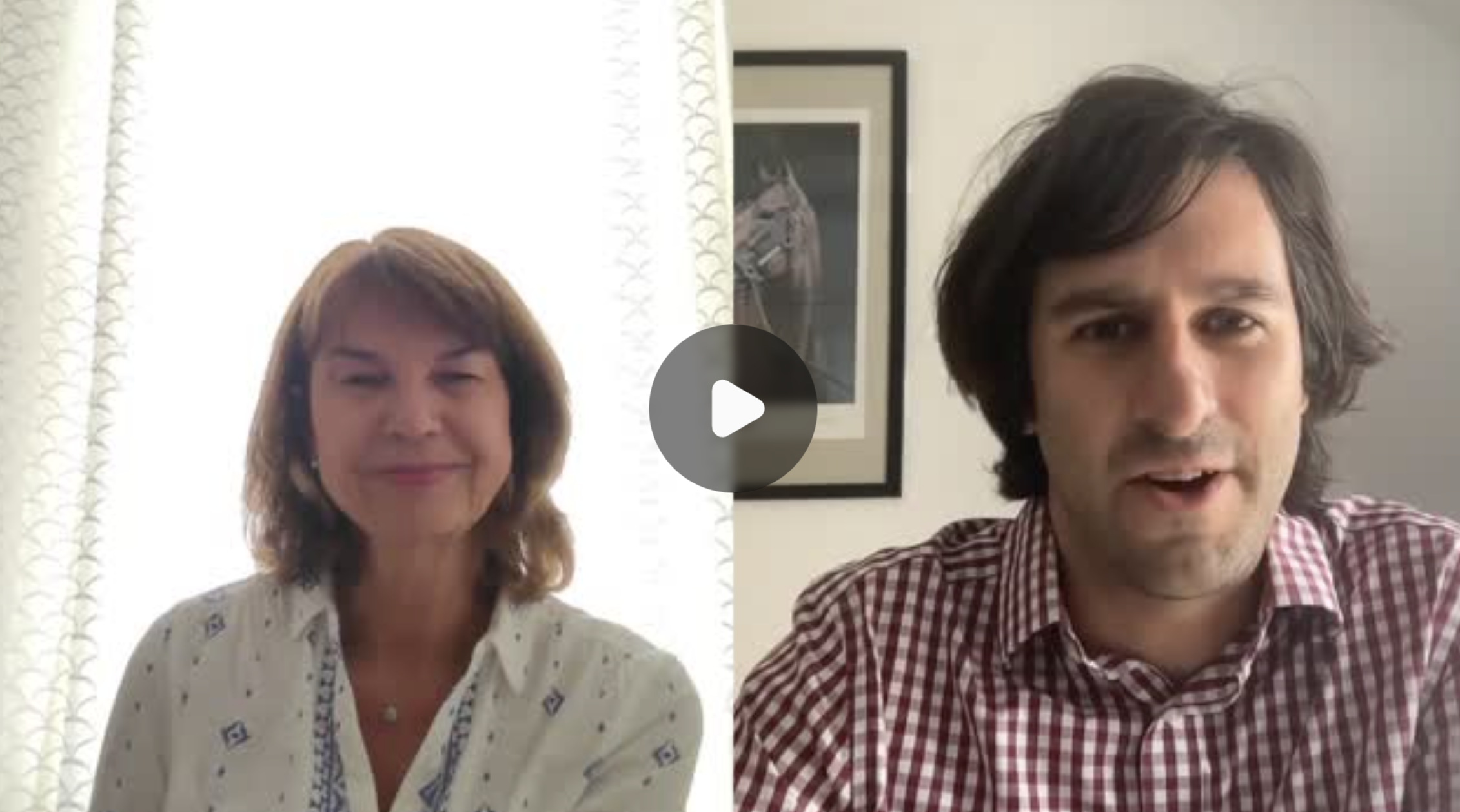
For London’s 11-year-olds, the transition window is here, and Year 6 parents are getting information from every direction. In my latest Great British Schools Guide LIVE webinar “Game plan: everything you need to know about 11+ transition”, I discussed entrance to selective senior schools with Alison Fleming, Principal of Eaton House Schools in Clapham and Belgravia.
Heart and head
Fundamentally, choosing a school is an emotional decision. Of course, the logistics have to work (commutes, academic entry level, fees etc.) but, in Alison’s words, there “has to be something that sings”.
Alison suggests ignoring the Year 6 class WhatsApp group. There will be lots of noisy parents advocating for various schools, which might have suited older siblings well or where they felt particularly enthused. But they are not parents of your child.
When attending open days, my friend Mel Ingle suggests giving your child a notebook and pen to jot down anything unusual that they notice, or find interesting. This helps to sort out the mental clutter when whittling down the shortlist and gives them something specific to say if the school invites them for an interview.
Know your numbers
If your child attends an independent prep school, it is very likely that they will use cognitive ability assessments such as CAT4 for benchmarking, which score children against peers their exact age.
These work a bit like IQ tests, so the median is 100; the majority of children fall between 85 and 115. Highly academically selective schools’ applicants will typically have CAT scores of 120+. For example, as Alison notes: “Westminster or St Paul's Girls' means thinking high 120s, low 130s". If your child attends a state primary school, or is applying to selective British schools from a different education system – e.g. French, US, Australian, Canadian etc. – then you might find our Academic Profiler assessment a useful tool.
Alison’s advice: work with your child's current school or a professional advisor to build a list with a couple of aspirational schools, a few realistic ones, and one or two you could live with on a bad day.
And a request from me: please, please do not call a school the “backup” in front of your child. I told the story of a boy who cried when he got a place at a fantastic school that his parents had labelled the reserve. He felt he had failed and ruined his start there. Every school on a shortlist should be a great school for your child.
A question to ask schools at open days, or perhaps in a personal follow-up afterwards, is about their academic value-added. Lots of schools in London dine out on their exceptional GCSE and A Level outcomes. But these are arguably priced in from age 11 because the school is cherry-picking from the top few percent by IQ. Ask what the school does to push a child beyond their predicted grades. For the vast majority of children, this is a more important consideration than what percentage gained A*s or got into Oxbridge, and how schools answer this tells you a lot more about their ethos, teaching style and aspirations for children.
In my opinion, as a teacher, academic value-added is the single most effective metric with which to compare schools’ performance.
Tutoring?
As a professional tutor specialising in selective entrance preparation, I had to ask Alison’s opinion on tutoring! Her view is nuanced: no child should need it, but for those with a spiky profile or homework battles at home, outside help can make sense. I agree with the analogy she used of a personal trainer. You can go to the gym by yourself but a lot of people find it helpful to have an external partner to hold them accountable and design a tailored programme that targets their specific personal challenges – I do the same with children’s academic growth.
My experience is that parents cannot navigate this process alone. So whether with an educational consultant like me, or supported by a very conscientious prep school like Alison’s school, Eaton House, it is worth having professional advice.
Alison's three takeaways: do the legwork early, don't be complacent about preparation, and do not lay your anxiety on your child's shoulders.